
Saint Paul's Pillar: Where History and Faith Converge in Paphos
June 13, 2025

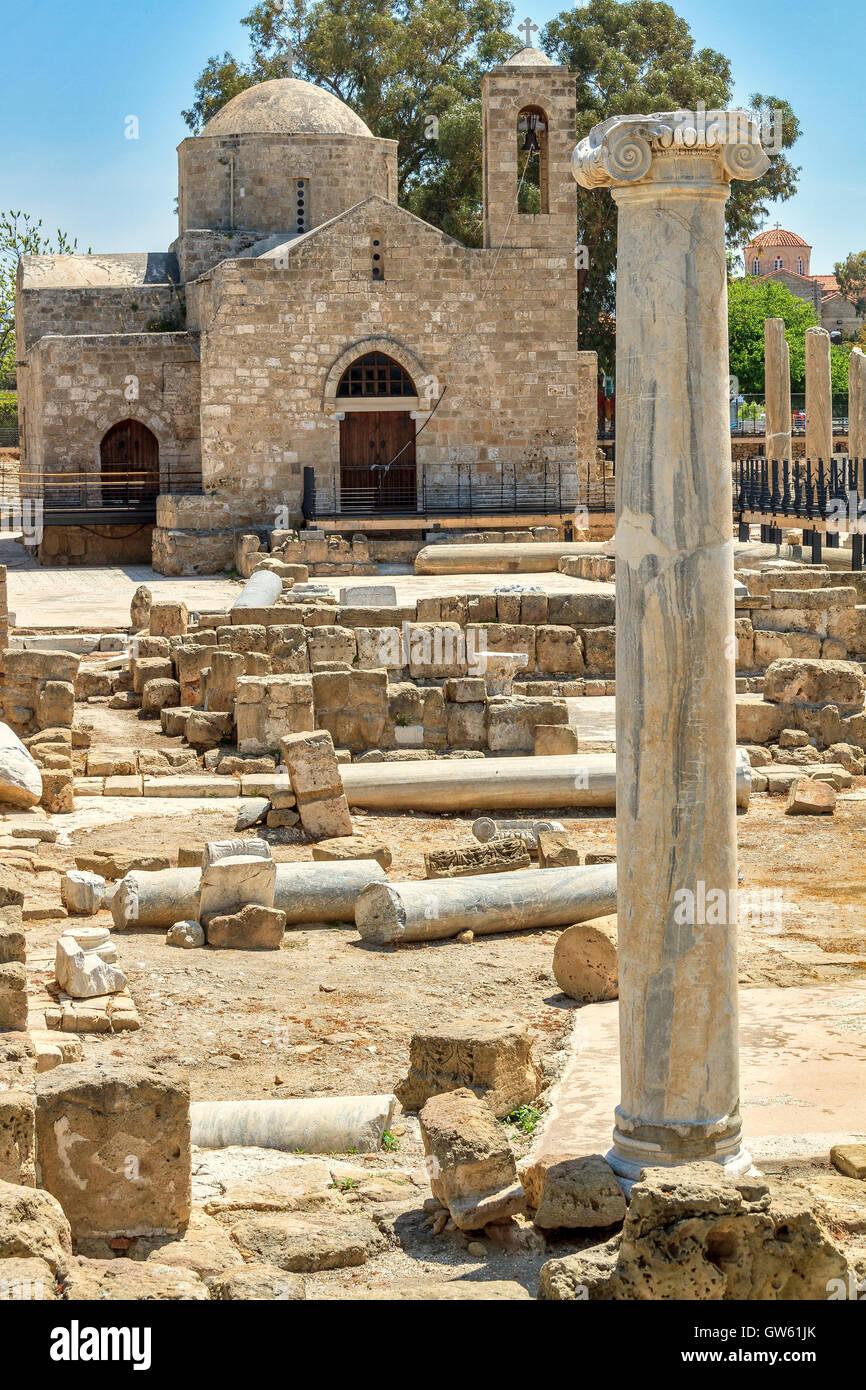
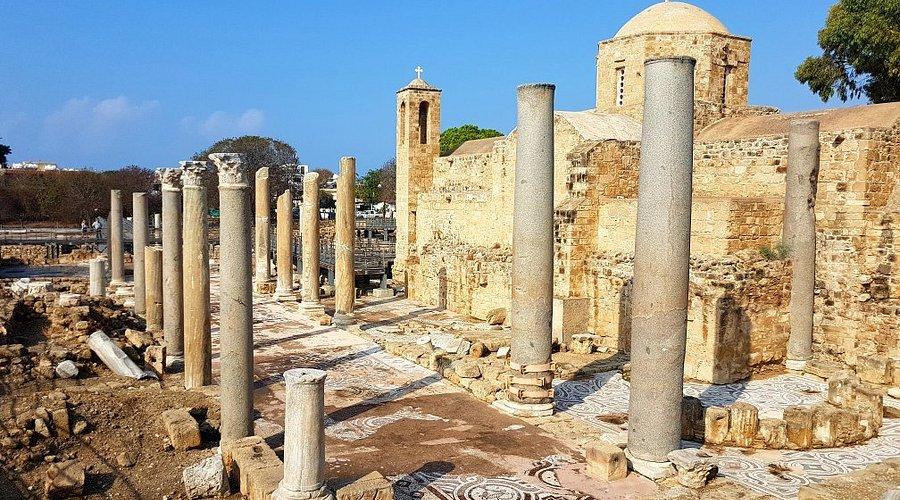
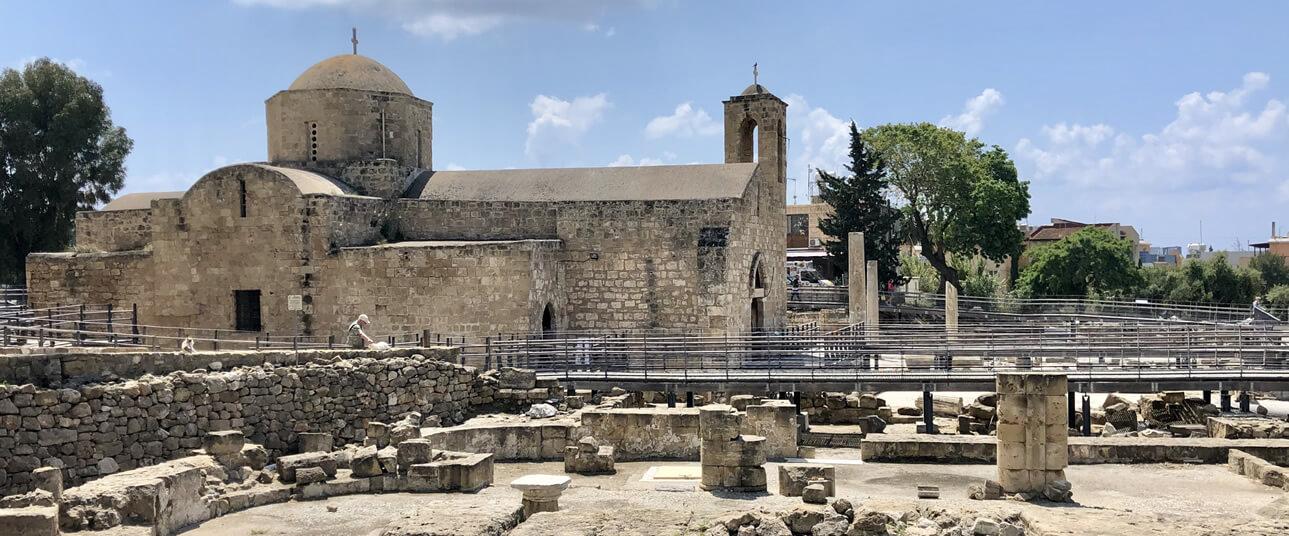
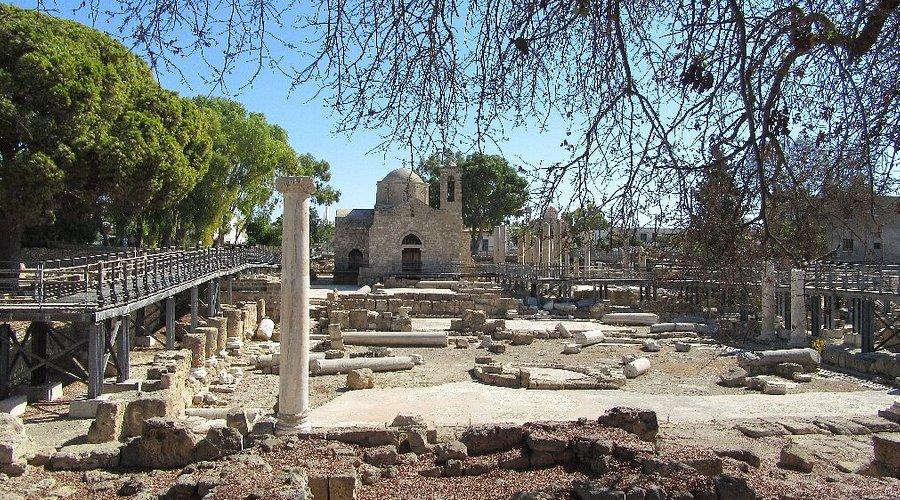
I spent nearly two hours exploring the archaeological site, walking the raised wooden pathway and examining the scattered marble columns and intricate floor mosaics. The site's mix of religious history, including the famous Saint Paul's Pillar and the tomb of a Danish king, made this a surprisingly fascinating stop in Paphos.
Where an apostle's missionary journey met unexpected conversion, Saint Paul's Pillar stands as a silent witness to a pivotal moment in early Christian history. Uncover the story of how one pillar transformed a Roman governor's fate and left an indelible mark on Cyprus's spiritual landscape.
Need-to-Know Info Before Visiting Saint Paul's Pillar
5+
images
Saint Paul's Pillar Address
Kato Paphos Archaeological Park, Paphos, Cyprus
Saint Paul's Pillar Opening Hours
- 🕒 Summer (April-October): 8:30 AM - 7:30 PM
- 🕒 Winter (November-March): 8:30 AM - 5:00 PM
- 🕒 Open daily, including weekends and holidays
How to get to Saint Paul's Pillar
- 🚗 By car: Easily accessible from Paphos city center, parking available at archaeological park
- 🚌 Public transport: Paphos city bus routes 602 and 603 stop nearby
- 🚕 Rideshare: Uber and local taxi services readily available
What is Saint Paul's Pillar known for?
- Site where Saint Paul was reportedly tied and scourged during his missionary journey to Cyprus
- Remains of a 4th-century Christian basilica with extensive marble column foundations
- Contains intricate historical mosaics from different church construction periods
- Location of the tomb of Danish King Eric Ejegod, who died in 1103 while traveling to the Holy Land
- Represents significant early Christian architectural and religious heritage in Cyprus
What is Saint Paul's Pillar in Paphos?
Saint Paul's Pillar sits at the heart of Paphos Archaeological Park, drawing thousands of history buffs and religious travelers each year. This landmark isn't just another historical site - it's a powerful testament to early Christian history in Cyprus. Visitors walk through the remains of a massive 4th-century Christian basilica, where scattered marble columns and intricate floor mosaics tell stories of religious transformation. The site centers around the famous pillar where Saint Paul was reportedly tied and whipped during his missionary journey, marking a significant moment in Christian evangelism. Tourists can explore the extensive ruins via a raised walkway with English explanatory plaques, getting up-close views of foundations that once supported one of Pafos' largest religious structures. Beyond the pillar itself, the site offers unexpected historical gems like the tomb of Danish King Eric Ejegod, who died in 1103 while traveling to the Holy Land. Today, the nearby Agia Kyriaki church continues the site's religious legacy, hosting services for Anglican, Lutheran, and Greek Orthodox congregations. While the original basilica was destroyed during Arab raids in 653, the remaining archaeological evidence provides a fascinating window into Cyprus's rich religious heritage.
Top things to do at Saint Paul's Pillar
- Walk the raised wooden walkway to get panoramic views of the archaeological site and read detailed English explanatory plaques about the basilica's history
- Examine the scattered marble columns and floor mosaics that reveal the original church's architectural layout and design from the 4th century
- Visit the western side of the basilica to see Saint Paul's Pillar, where historical tradition claims the apostle was tied and scourged during his missionary journey
- Locate the tomb of Danish King Eric Ejegod, a rare historical feature offering insight into medieval European travelers passing through Cyprus
- Attend a service at the adjacent Agia Kyriaki church, which hosts multi-denominational worship including Anglican, Lutheran, and Greek Orthodox ceremonies
- Photograph the extensive archaeological site, capturing the intricate mosaic floors and remaining architectural foundations from different historical periods
History of Saint Paul's Pillar
- 4th Century: Original Christian basilica constructed, representing one of Pafos' largest religious structures
- 653 AD: Basilica destroyed during Arab raids, marking a significant disruption to the religious site
- 13th Century: New church built on the site, continuing the religious tradition
- 1103 AD: Danish King Eric Ejegod dies near the site while traveling to the Holy Land
- Modern Era: Site transformed into an archaeological park, preserving historical foundations and mosaics
- Present Day: Agia Kyriaki church now hosts multi-denominational services, including Anglican, Lutheran, and Greek Orthodox
Cultural Significance
Saint Paul's Pillar represents a crucial moment in early Christian missionary work in Cyprus. The site commemorates Saint Paul's conversion of the Roman governor Sergius Paulus, marking one of the first significant Christian conversions in the region. The landmark symbolizes religious transformation, cultural exchange, and the spread of Christianity throughout the Mediterranean. Its preservation demonstrates Cyprus's commitment to protecting and celebrating its rich religious heritage.
Tips for Visitors
- Wear comfortable walking shoes suitable for uneven archaeological terrain
- Bring a hat and water, as the site has limited shade and can be hot during summer months
- Allow at least 1-2 hours to fully explore the archaeological site and read informational plaques
- Consider visiting early morning or late afternoon to avoid peak tourist hours
- Photography is permitted, but be respectful of the historical site
- Check local tour schedules for guided walks that provide deeper historical context
Best Time to Visit
The best time to visit Saint Paul's Pillar is during spring (March-May) and autumn (September-November) when temperatures are mild and comfortable. These seasons offer pleasant walking conditions and fewer crowds compared to the peak summer tourist season. Winter months can be cooler and occasionally rainy, which might affect outdoor exploration. Summer visits are possible but can be extremely hot, so early morning or late afternoon visits are recommended.
What are some interesting facts about Saint Paul's Pillar?
- Local legend claims that the 39 lashes Saint Paul received at this pillar symbolically represent the traditional Jewish punishment number, adding a layer of historical and biblical significance to the site
- The site contains the tomb of Danish King Eric Ejegod, making it an unexpected international historical landmark that connects Cyprus with Northern European medieval royal history
- Despite being a Christian site, the landmark attracts multiple religious denominations, with the Agia Kyriaki church hosting services for Anglican, Lutheran, and Greek Orthodox congregations simultaneously