
Church of Panagia Theoskepasti: A Sacred Journey Through Cypriot History
July 02, 2025

I spent about an hour exploring the Church of Panagia Theoskepasti, fascinated by the rare Byzantine icons and the church's intimate atmosphere. The church is conveniently located near Paphos Castle and the old harbor, making it an easy stop during a walking tour of the historic town.
Hidden in Paphos Old Town, the Church of Panagia Theoskepasti guards centuries of Byzantine religious art rarely seen by tourists. Step inside to uncover a living museum of Cyprus's spiritual heritage, where each icon tells a story untold by history books.
Need-to-Know Info Before Visiting Church of Panagia Theoskepasti
5+
images
Church of Panagia Theoskepasti Address
Paphos Old Town, Konstantinou Paleologou Street, Paphos, Cyprus
Church of Panagia Theoskepasti Opening Hours
- 🕒 Summer (May-September): 8:00 AM - 7:00 PM daily
- 🕒 Winter (October-April): 8:00 AM - 5:00 PM daily
- 🕒 Sunday morning services: 9:30 AM
How to get to Church of Panagia Theoskepasti
- 🚗 By car: Free parking available near Paphos Old Town
- 🚌 Public transport: Paphos City Bus Routes 602 and 603
- 🚕 Rideshare: Bolt and local taxi services widely available
What is Church of Panagia Theoskepasti known for?
- 10th-century Byzantine church with significant historical and religious importance
- Houses rare Byzantine religious icons from different historical periods
- Rebuilt in 1923, preserving original architectural elements from medieval period
- Located in the heart of Paphos Old Town, offering authentic cultural experience
- One of the few remaining Byzantine churches in western Cyprus with original structural integrity
What is Church of Panagia Theoskepasti in Paphos?
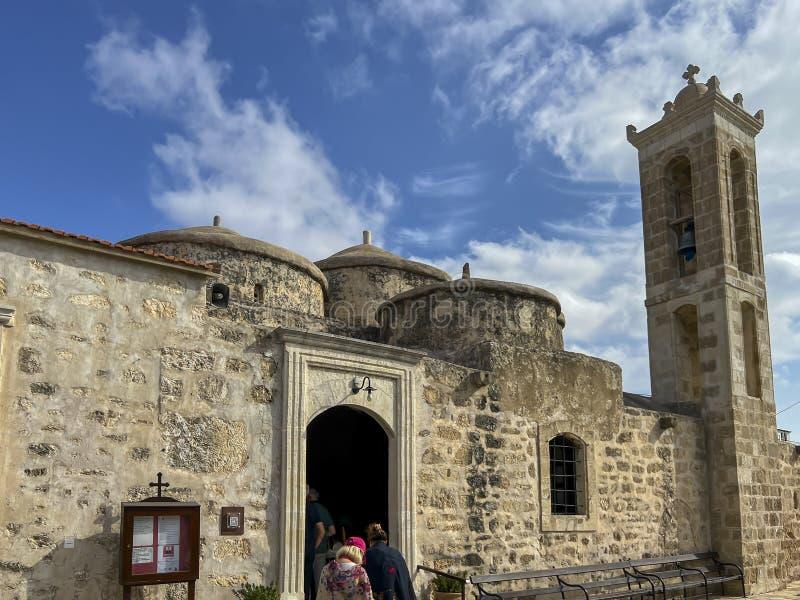
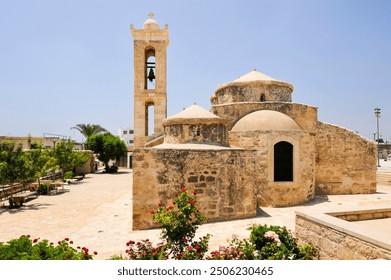
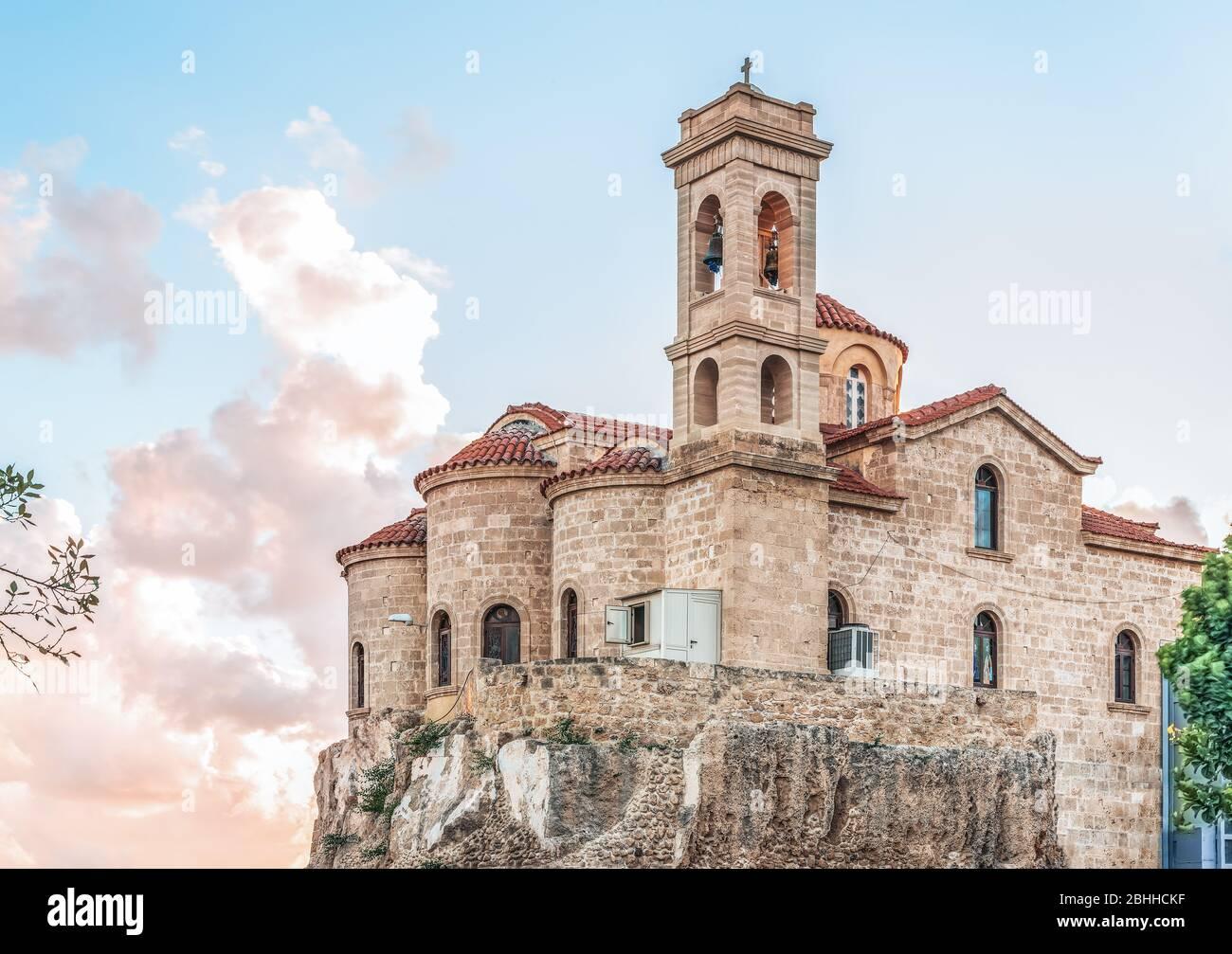
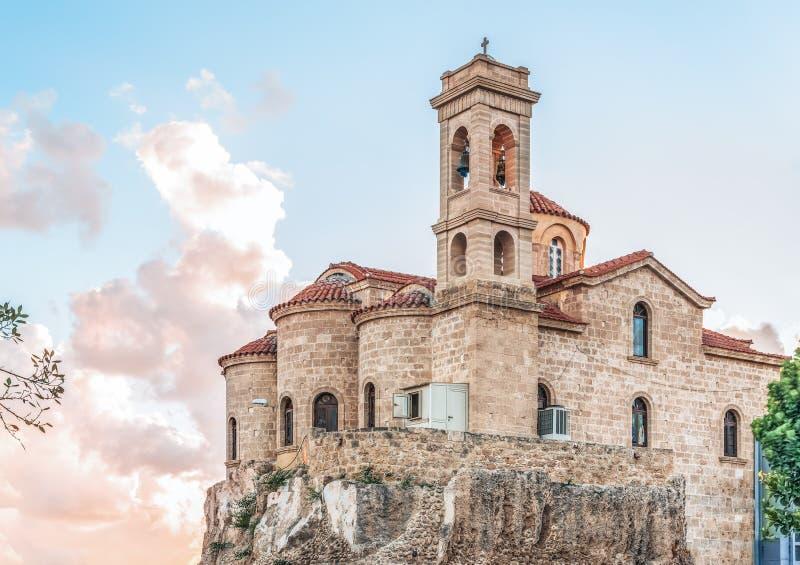
Tucked away in the historic streets of Paphos Old Town, the Church of Panagia Theoskepasti stands as a quiet testament to Cyprus's rich religious heritage. This Byzantine church draws steady crowds of history buffs and cultural travelers, attracting around 15,000 visitors annually. The compact stone structure blends seamlessly with the surrounding traditional Cypriot architecture, offering visitors a glimpse into centuries of religious continuity. Religious travelers and architecture enthusiasts appreciate the church's original 10th-century foundations and 1923 reconstruction, which preserved key historical elements. Intricate Byzantine religious icons line the interior walls, creating a powerful connection to medieval Cypriot spiritual traditions. Unlike massive tourist attractions, this church provides an intimate cultural experience where visitors can observe authentic local religious practices. Photographers particularly appreciate the church's stone facade and traditional architectural details, making it a popular spot for capturing the essence of Paphos's historical landscape. During Sunday morning services, the church comes alive with local community gatherings, offering travelers a genuine window into contemporary Cypriot religious life.
Top things to do at Church of Panagia Theoskepasti
- Examine rare Byzantine religious icons dating from the 10th to 19th centuries, showcasing intricate craftsmanship and historical religious art
- Attend a traditional Sunday morning Orthodox service to experience authentic local religious practices and community gathering
- Explore the church's architectural details, including original stone masonry from the 1923 reconstruction and medieval structural elements
- Photography enthusiasts can capture unique exterior shots of the traditional Cypriot stone church against the backdrop of Paphos Old Town
- Learn about local religious history through the church's preserved architectural features and sacred artifacts not typically found in modern churches
- Visit the small adjacent chapel area to observe sacred religious objects and understand the continuity of Christian traditions in Cyprus
History of Church of Panagia Theoskepasti
- 10th Century CE: Original Byzantine church established in Paphos
- 1923: Complete reconstruction of the church, preserving original architectural foundations
- Mid-20th Century: Recognized as a significant historical and religious landmark in Cyprus
- 1980s: Formal designation as a protected historical monument by Cypriot cultural heritage authorities
- 2000s: Comprehensive restoration project to preserve Byzantine architectural elements and religious artifacts
Cultural Significance
The Church of Panagia Theoskepasti represents more than a religious building - it's a living symbol of Cypriot Orthodox Christian heritage. Located in the heart of Paphos Old Town, the church embodies centuries of local spiritual traditions and architectural continuity. For local residents, it serves as a community gathering place and a connection to their ancestral religious practices. The church's preservation demonstrates Cyprus's commitment to maintaining cultural memory and historical architectural integrity.
Tips for Visitors
- Arrive early morning or late afternoon for fewer crowds and better photography opportunities
- Bring a light scarf or shawl to cover shoulders if entering during religious services
- Photography is permitted, but avoid using flash inside the church
- Small donation recommended when visiting outside of service times
- Wear comfortable walking shoes as the church is in a historic area with uneven cobblestone streets
- Consider joining a local guided tour to understand deeper historical context
Dress Code
As an active Orthodox church, modest attire is expected. Visitors should wear clothing that covers shoulders and knees. No shorts, tank tops, or revealing clothing. Men and women should dress respectfully out of cultural sensitivity.
What are some interesting facts about Church of Panagia Theoskepasti?
- The church's name Theoskepasti literally translates to 'God-covered' in Greek, referring to a local legend that the church was miraculously protected during historical invasions
- Several of the church's religious icons are considered so rare that they are studied by international Byzantine art historians and religious artifact experts
- During the 1923 reconstruction, builders used traditional stone-cutting techniques passed down through generations of Cypriot craftsmen, preserving authentic medieval building methods